Two neighbouring coasts, one important turtle landscape
Sarigerme and Dalyan are often described as two separate holiday experiences: one a beach resort, the other a river-and-delta excursion. For turtles, however, the coastline is better understood as a connected landscape of nesting sand, shallow sea, brackish lagoons and inland channels. This changes the way a thoughtful visitor sees the region. Sarigerme is not merely the place from which people leave for “Turtle Beach”; its own long shore has been documented as a loggerhead nesting ground.
A seven-year scientific study covering 2002–2008 recorded 2,620 loggerhead nesting emergences and 645 nests on Dalaman–Sarigerme Beach. The researchers also found that nesting was concentrated more strongly on less-developed sections, while light, water sports and physical disturbance influenced beach use. Those are historical research figures, not a promise about the current season, but they establish why Sarigerme’s sand deserves the same quiet respect as the better-known Iztuzu coast.
Caretta caretta is not the only turtle in the story
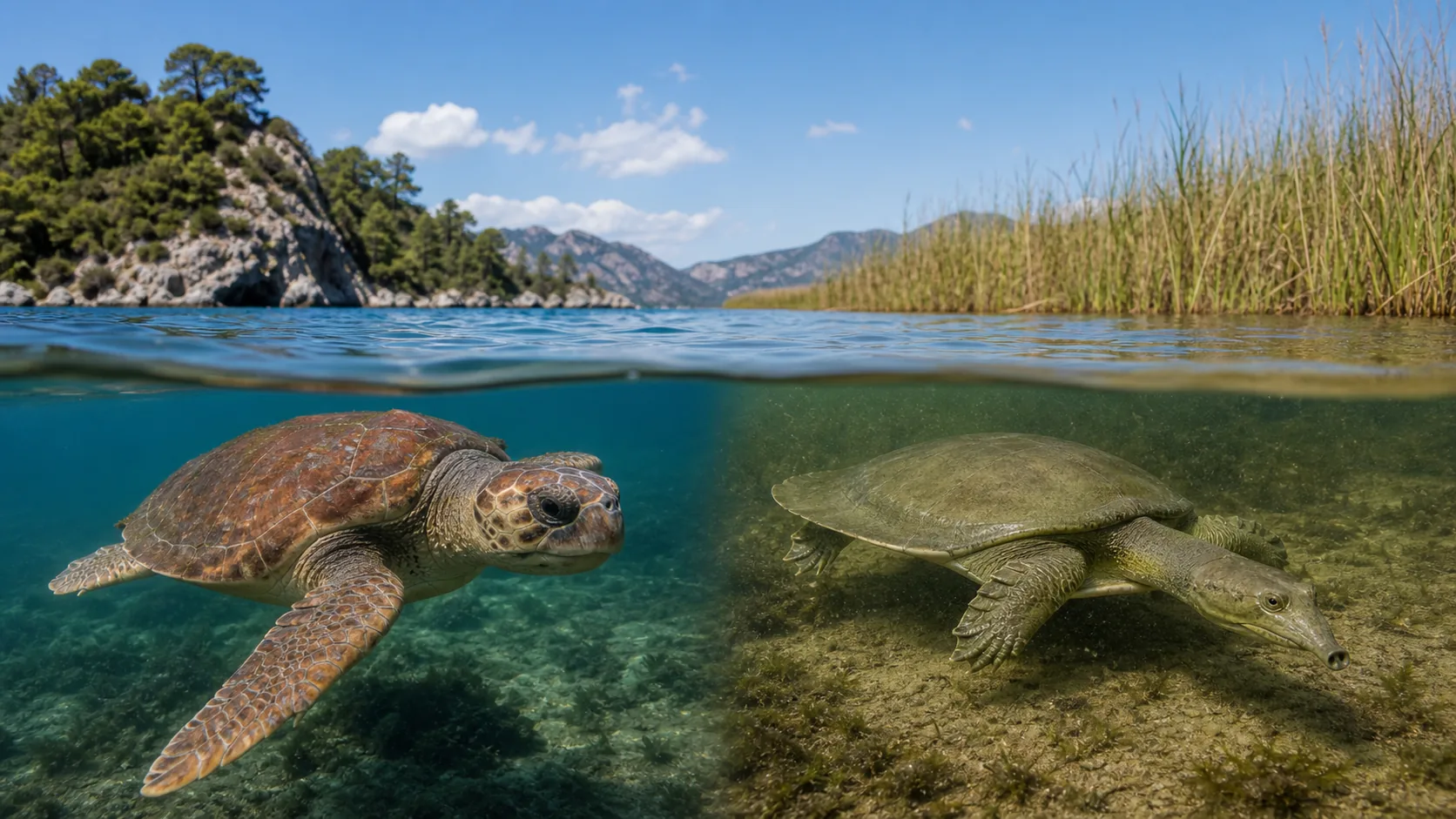
The loggerhead sea turtle, Caretta caretta, is the species most closely associated with nesting at Sarigerme and Iztuzu. Adults live at sea and females come ashore to lay eggs. Dalyan’s channels are also home to the Nile softshell turtle, Trionyx triunguis, a very different freshwater and brackish-water turtle with a flat, leathery shell and a snorkel-like nose. A turtle surfacing beside a river boat is therefore not automatically a loggerhead.
The distinction matters because good interpretation is part of good conservation. In its 2025 monitoring report, DEKAMER recorded 770 loggerhead nests on Dalyan–Iztuzu Beach and stated that loggerheads were the only sea-turtle species nesting there that season. Long-term regional records may include occasional observations of other species, but a broad regional statement should never be turned into a claim that every species nests every year.
When nesting and hatching happen
DEKAMER describes mating and nesting activity from spring into summer, followed by hatching through summer and early autumn. The exact timing of an individual nest is controlled by nature, not by a tour timetable. A nesting female may abandon an attempt if she is disturbed, while hatchlings can become disoriented by artificial light. This is why protected nesting beaches use night restrictions and why flash photography, torches, fires and visible beachfront lights are serious issues rather than minor etiquette.
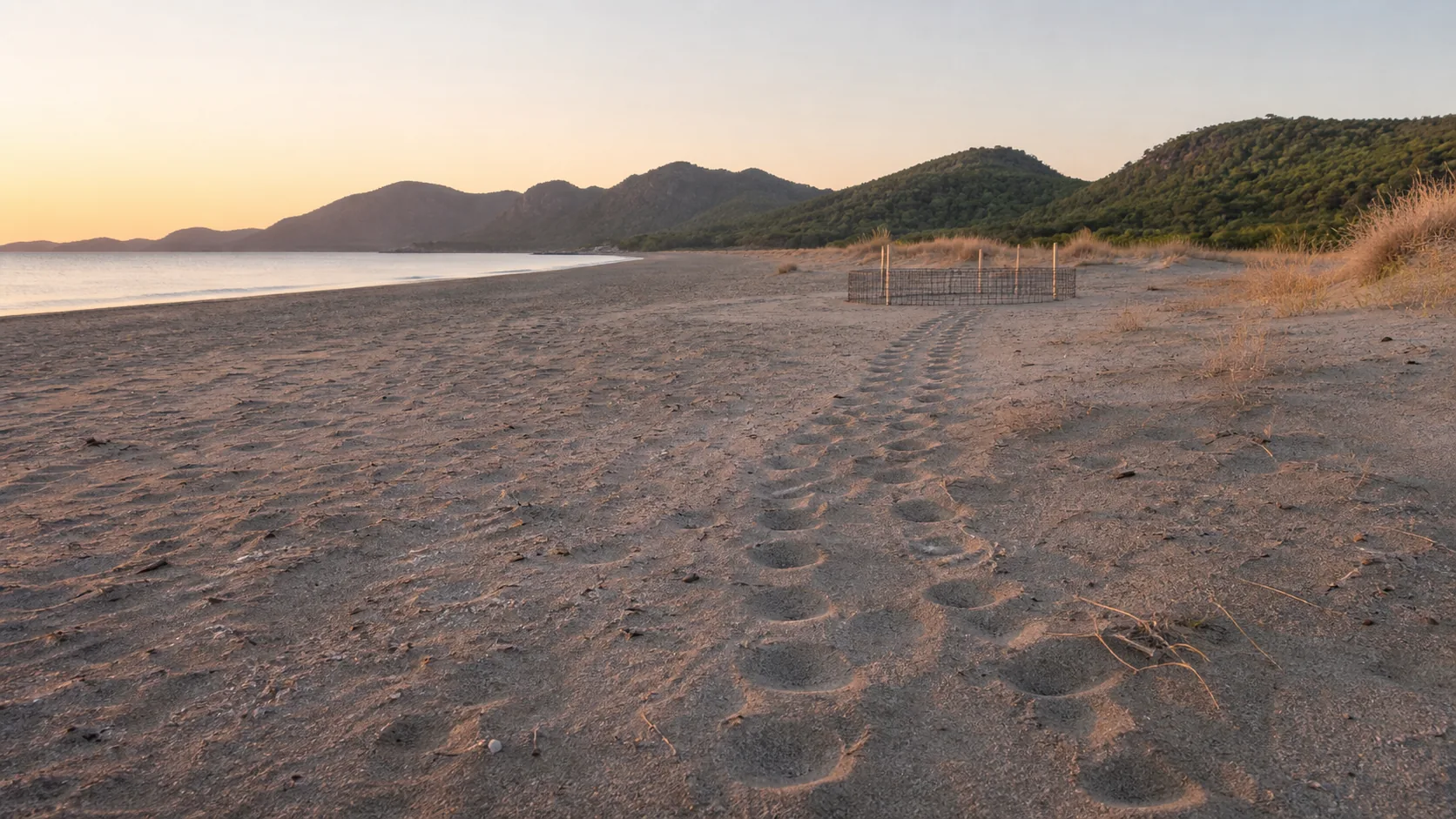
Visitors should not search the beach at night or dig near marked areas. Scientific teams identify tracks, protect nests and, when necessary, assist under regulated conservation procedures. Watching a volunteer video online does not give a traveller permission to handle a hatchling. Anyone who wants to contribute directly should use an authorised programme and accept that fieldwork involves training, long hours and strict instructions.
How visitors may encounter turtles
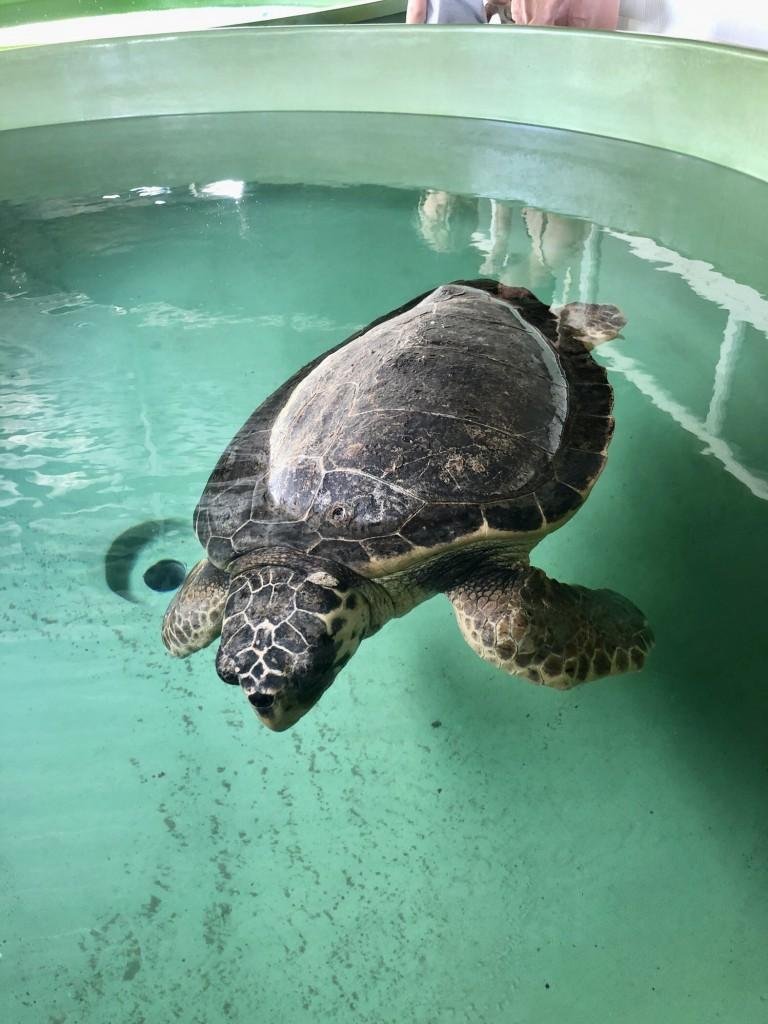
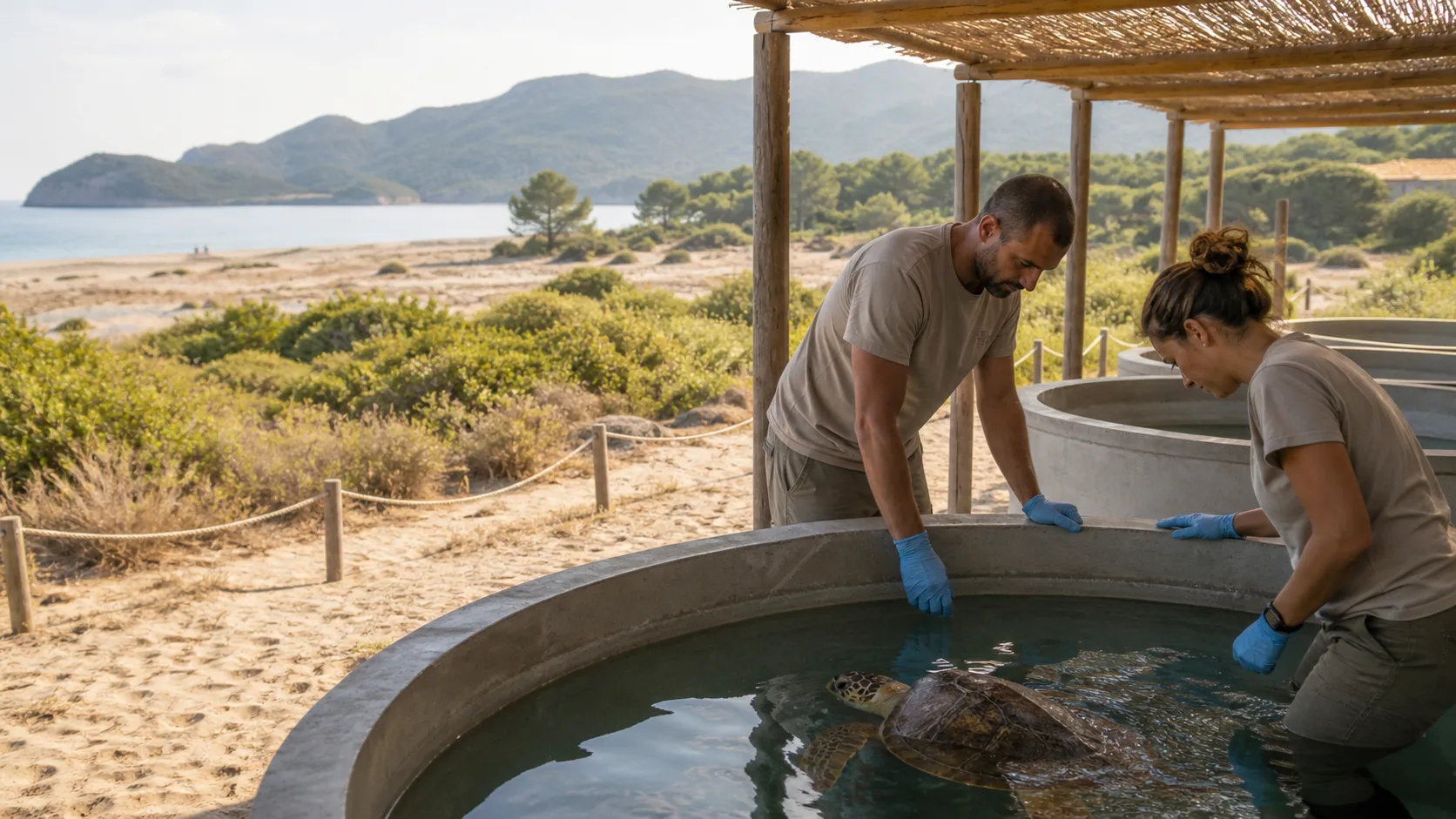
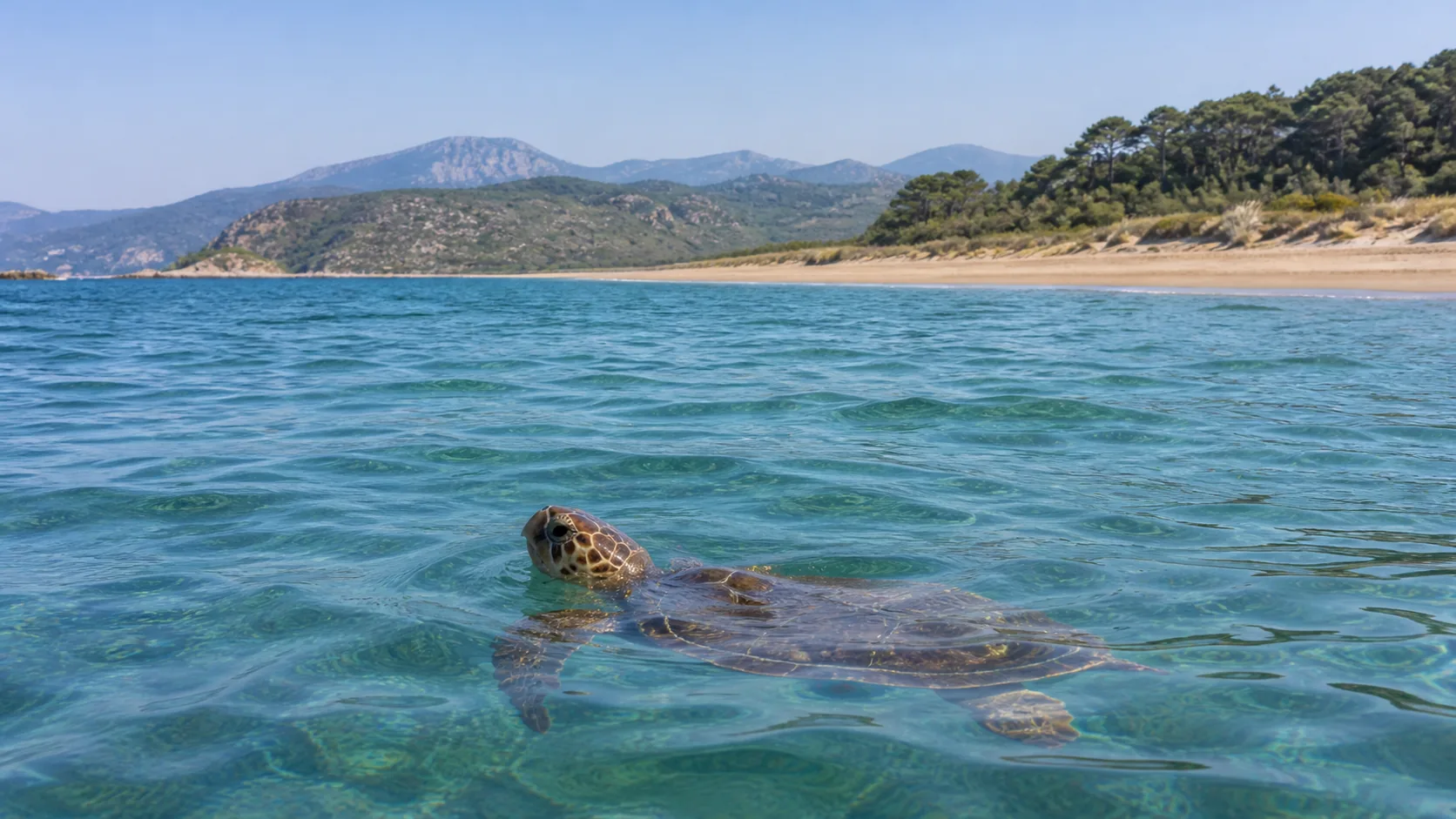
There are three honest kinds of encounter. The first is an unexpected wild sighting: a turtle briefly surfaces to breathe in the sea or channel. The second is indirect evidence, such as a protected nest or track explained by an authorised team. The third is an educational visit to DEKAMER, where injured or sick turtles may be seen during rehabilitation. The third experience is more predictable, but it is not the same as seeing a healthy wild animal.
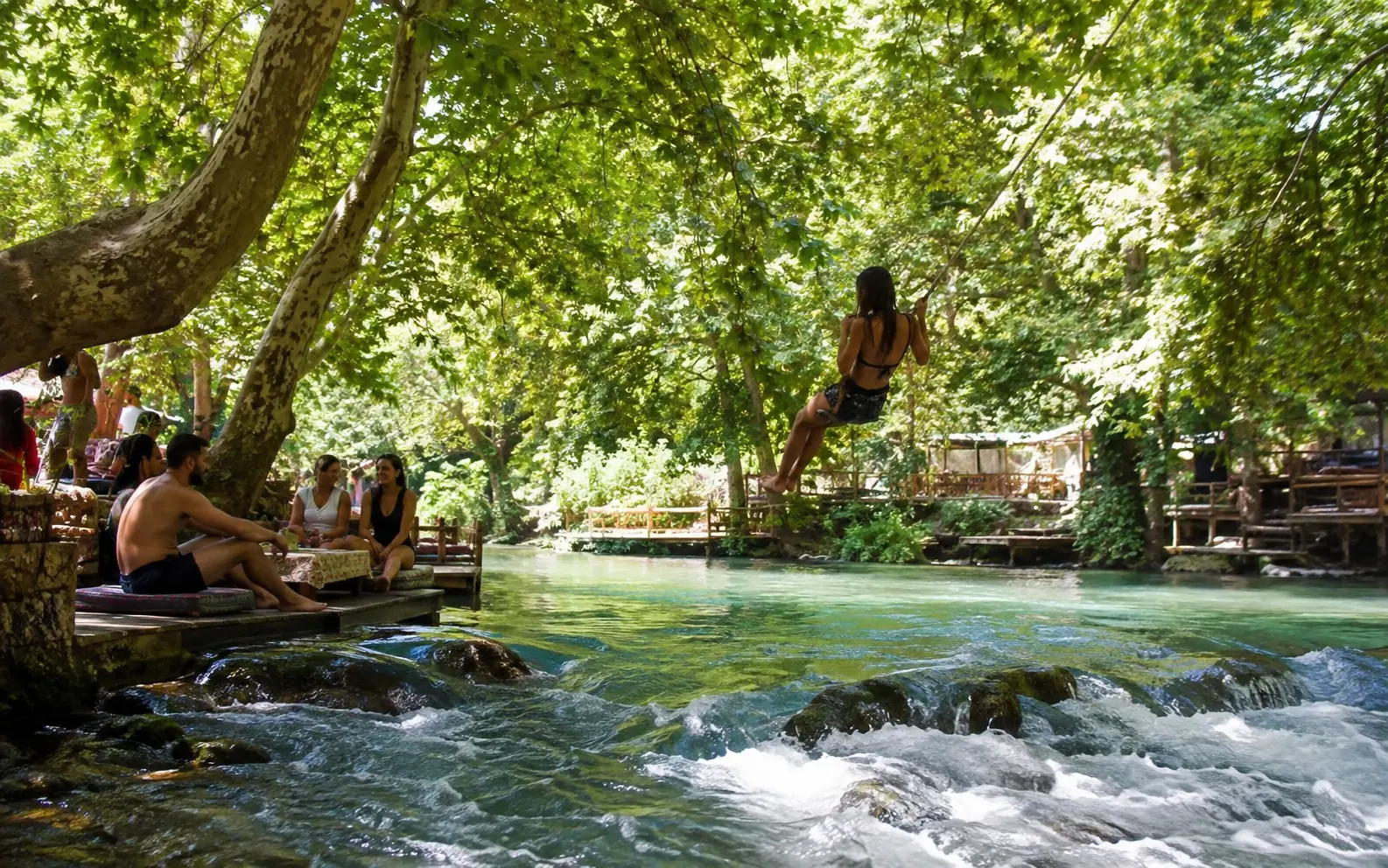
On a Dalyan day from Sarigerme, river scenery and Iztuzu are meaningful even if no turtle appears. A focused Iztuzu and turtle hospital visit places more emphasis on conservation education. In both cases the current itinerary, access and opening arrangements must be confirmed for the selected date.
The responsible way to watch from a boat or beach
Never feed, touch, chase, encircle or block a turtle. Feeding wildlife to draw it towards a boat changes natural behaviour and can encourage animals to remain in areas of propeller and vessel risk. International boat-watching guidance recommends slowing down in likely turtle habitat, approaching predictably from the side only when appropriate, leaving a clear escape route and putting the engine in neutral if an animal comes close.
On land, keep away from marked nests, fill in holes before leaving, remove rubbish and keep artificial light off the nesting beach. Use a camera zoom rather than moving closer. A photograph is never worth interrupting feeding, breathing, nesting or a hatchling’s path to the sea. The most accurate sentence a responsible operator can use is simple: wildlife sightings are possible, but never guaranteed.
Research and planning notes
This guide was researched from the Dalaman–Sarigerme nesting study, the DEKAMER 2025 Dalyan report, DEKAMER’s protection guidance and the UNEP/CMS wildlife-watching guidance. Seasonal counts and visitor arrangements can change; check the current conservation and tour information before travelling.
For guests planning a Sarigerme holiday, first-time visitors and travellers comparing local day trips.
Explore the area mentioned in this guide on the map.
FAQ
Can I see sea turtles in Sarigerme?
Sarigerme Beach is a documented loggerhead nesting area and turtles may be encountered offshore, but a wild sighting is never guaranteed.
Are all turtles in the Dalyan River Caretta caretta?
No. Dalyan also supports the Nile softshell turtle, a freshwater and brackish-water species that is different from a loggerhead sea turtle.
Can visitors release hatchlings?
Not as an ordinary tourist activity. Nests and hatchlings must be managed only by authorised conservation teams or trained volunteers following official procedures.