Sarigerme is a nesting beach, not only a holiday beach
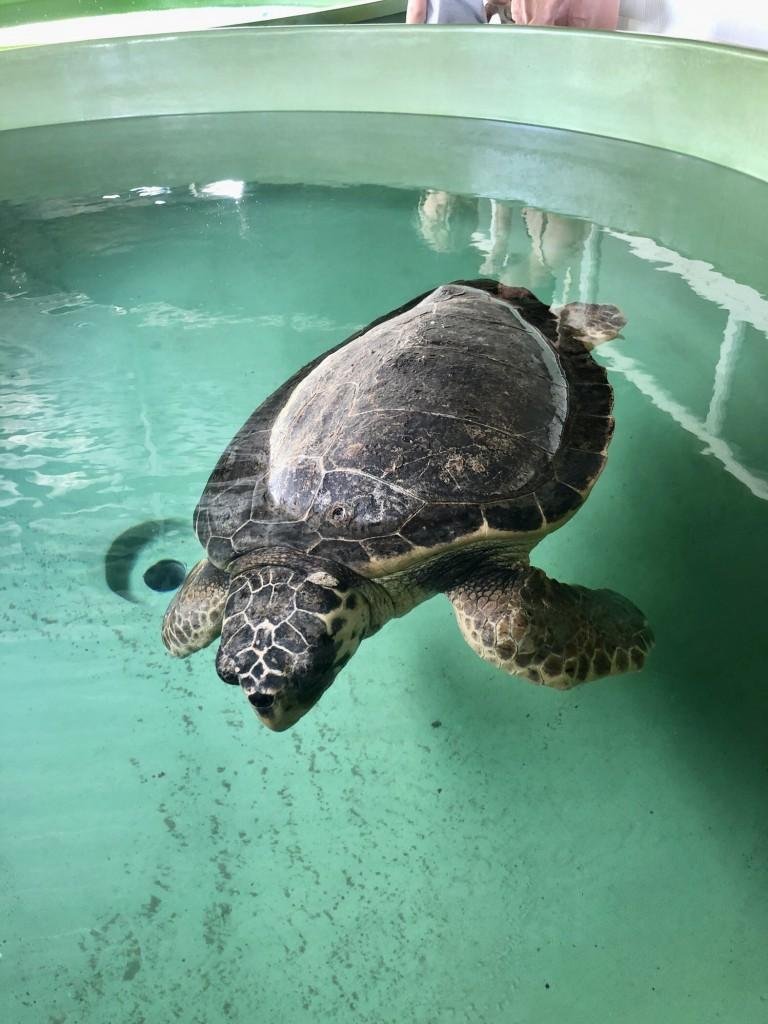
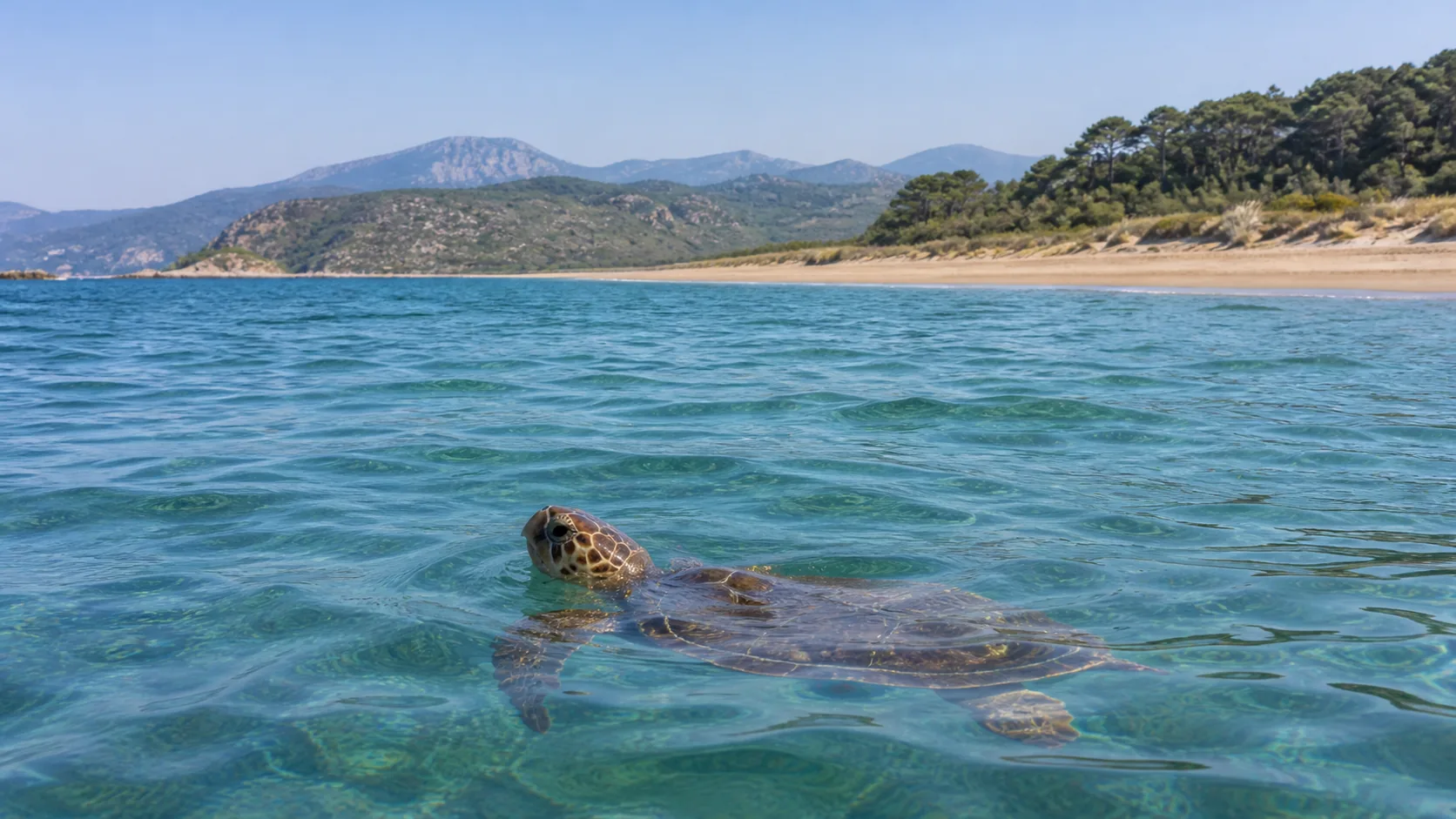
Most visitors first see Sarigerme as a generous sweep of sand for swimming and hotel time. Scientific work adds a second identity. Research covering seven nesting seasons from 2002 to 2008 recorded 645 loggerhead nests and more than 40,000 hatchlings on the Dalaman–Sarigerme coast. The figures are historical, but the ecological conclusion remains important: this is real nesting habitat.
The study found more nesting on less-developed sections and described pressures associated with lighting, water sports and physical conditions. Conservation therefore begins before a turtle is visible. It is built into how the beach is lit, cleaned and used.
What a nest looks like to a visitor
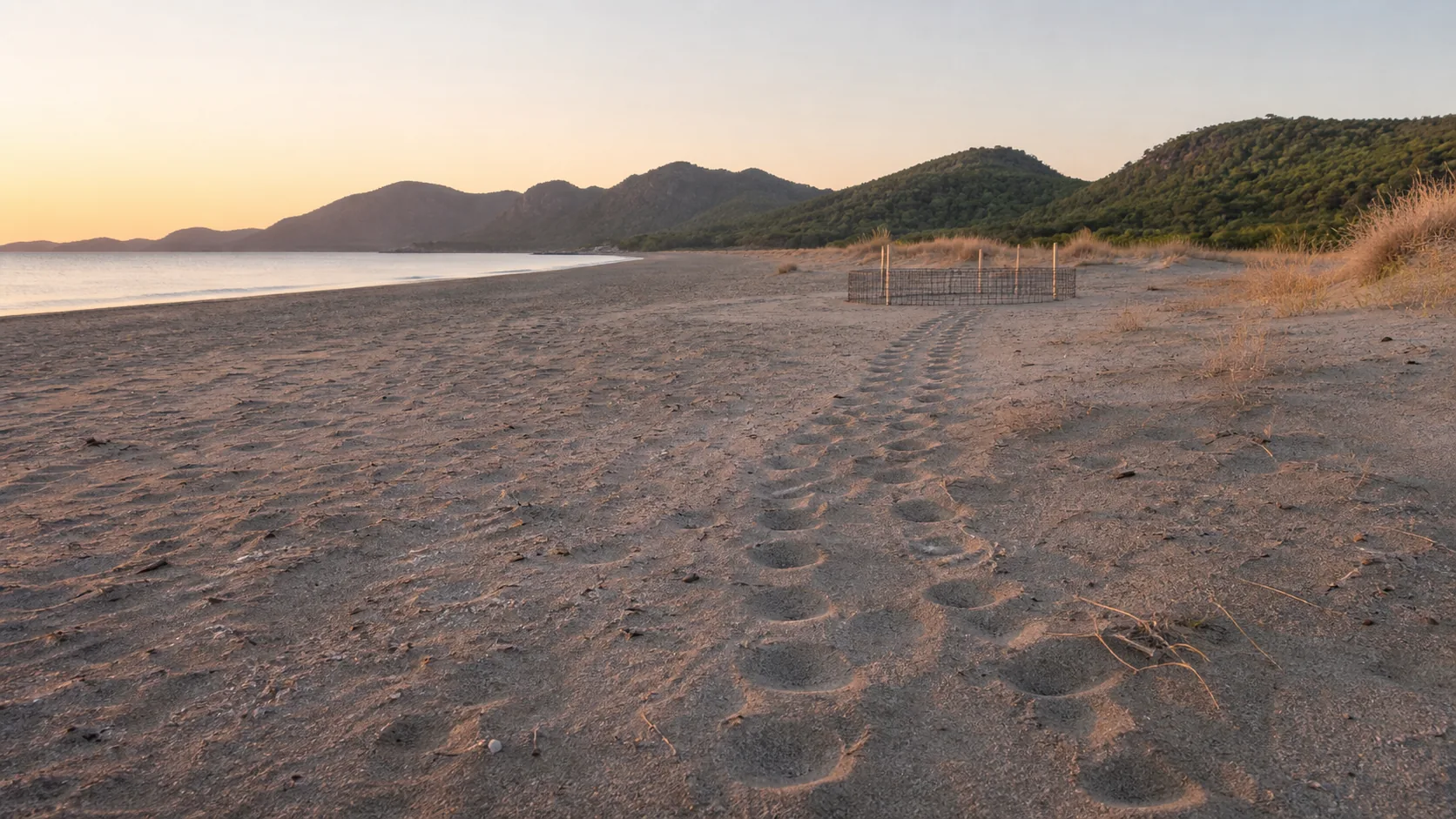
A protected nest may be marked or covered by a conservation cage. Tracks can resemble broad, alternating marks across the sand, but wind, people and vehicles quickly alter them. Visitors should not attempt to “confirm” a nest by digging or moving a marker. A false crawl—when a female comes ashore but does not lay—also contains useful information for researchers.
Report a concern to the responsible local team rather than intervening. Eggs are sensitive to rotation, temperature, flooding and handling; moving them without a scientific protocol can destroy the developing embryo.
Darkness is part of the habitat
Hatchlings normally orient toward the brighter open horizon and sea. Artificial lights behind the beach can pull them inland, waste their limited energy and expose them to heat, dehydration and predators. Keep torches, phone lights, flash and fires away from nesting sand at night. Screen accommodation lights that are visible from the beach and follow all closure hours.
A night walk that feels harmless to a person can interrupt a female choosing a nest site. Do not advertise independent night turtle searches. Authorised monitoring is fieldwork, not an add-on to an evening stroll.
Daytime habits that make a difference
- Fill deep holes and flatten large sand structures before leaving.
- Remove chairs, toys, ropes and rubbish from the nesting zone.
- Place umbrellas only where local rules permit.
- Keep vehicles and pets out of protected sections.
- Do not move cages or signs for a better photograph.
These steps protect both a nesting female’s route and the later path of hatchlings.
Sarigerme and Iztuzu are complementary stories
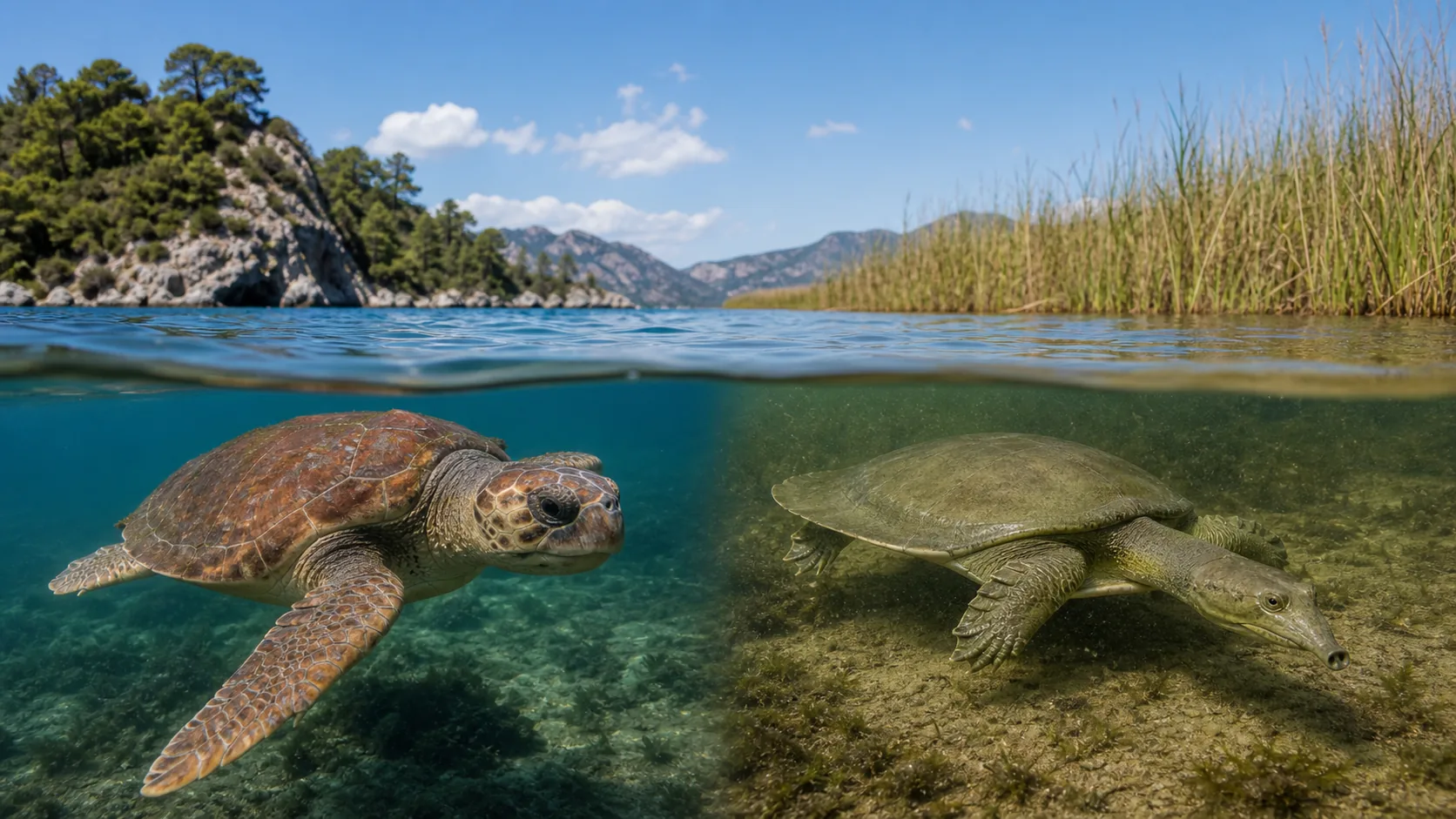
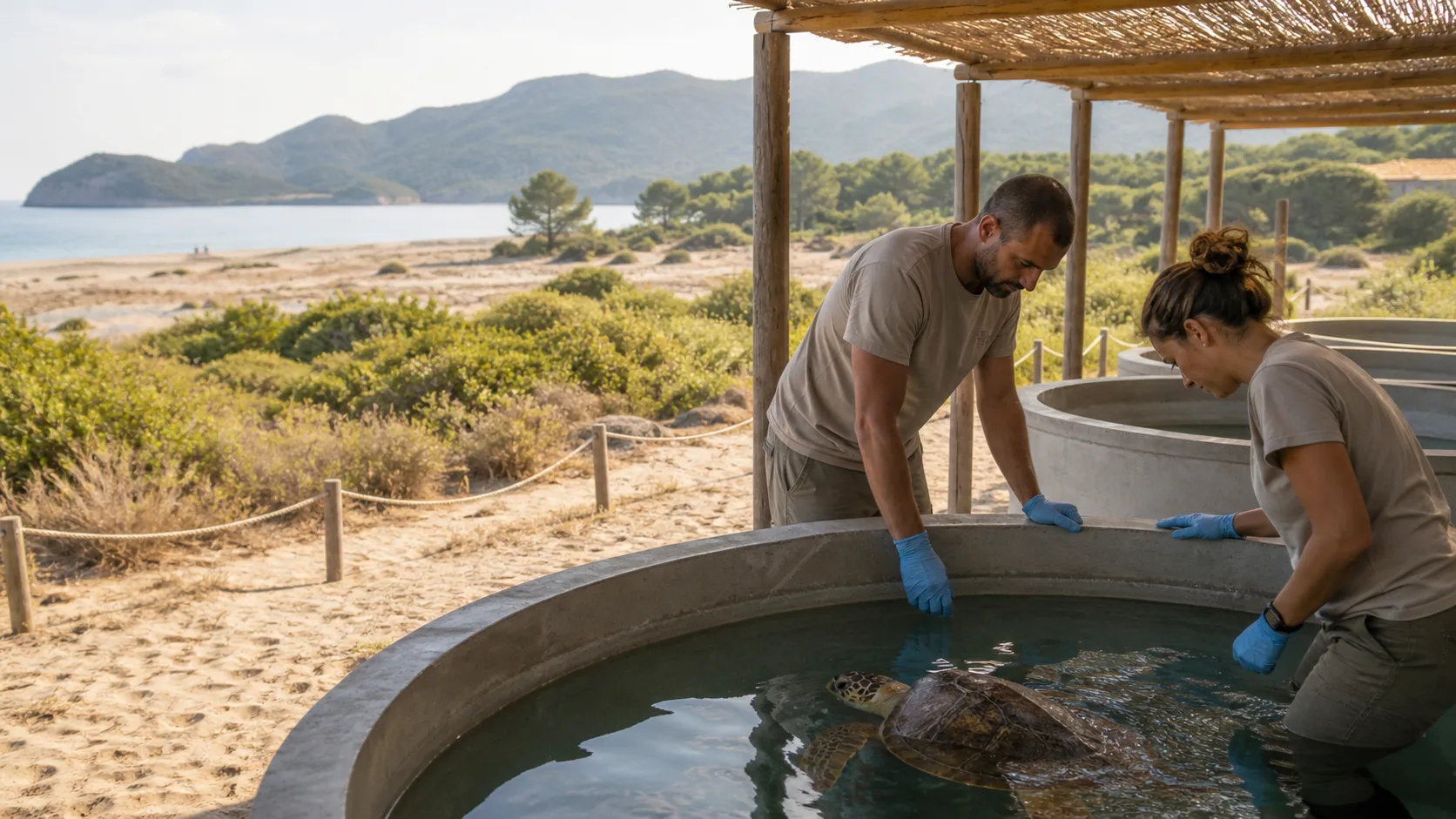
Sarigerme’s nesting evidence does not make it a replacement for Iztuzu or DEKAMER. Iztuzu offers a nationally recognised protected-area and rehabilitation context; Sarigerme demonstrates that conservation begins at the visitor’s own holiday beach. Read the broader regional turtle guide or compare the live Iztuzu nature programme.
Research source: Dalaman–Sarigerme nest-site study. Protection advice: DEKAMER.
For guests planning a Sarigerme holiday, first-time visitors and travellers comparing local day trips.

Explore the area mentioned in this guide on the map.
FAQ
Do loggerhead turtles nest at Sarigerme Beach?
Yes. Scientific research documents Dalaman–Sarigerme as an important loggerhead nesting coast, although annual activity varies.
Can I look for nesting turtles at night?
Do not conduct independent night searches. Follow closures and leave monitoring to authorised teams.
Why should beach holes be filled?
Deep holes can obstruct or trap nesting females and hatchlings travelling between nest and sea.