A river journey through connected habitats
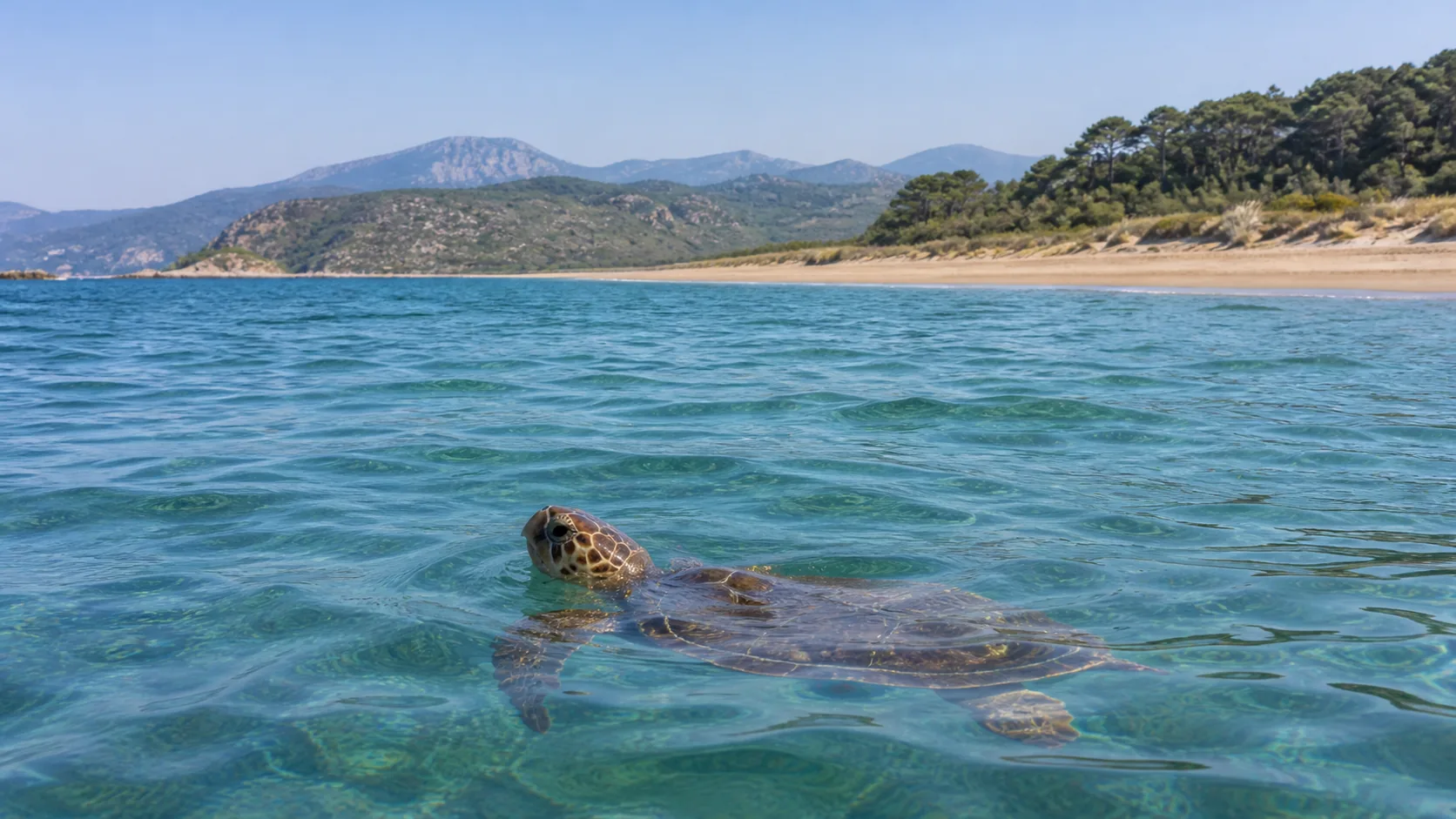
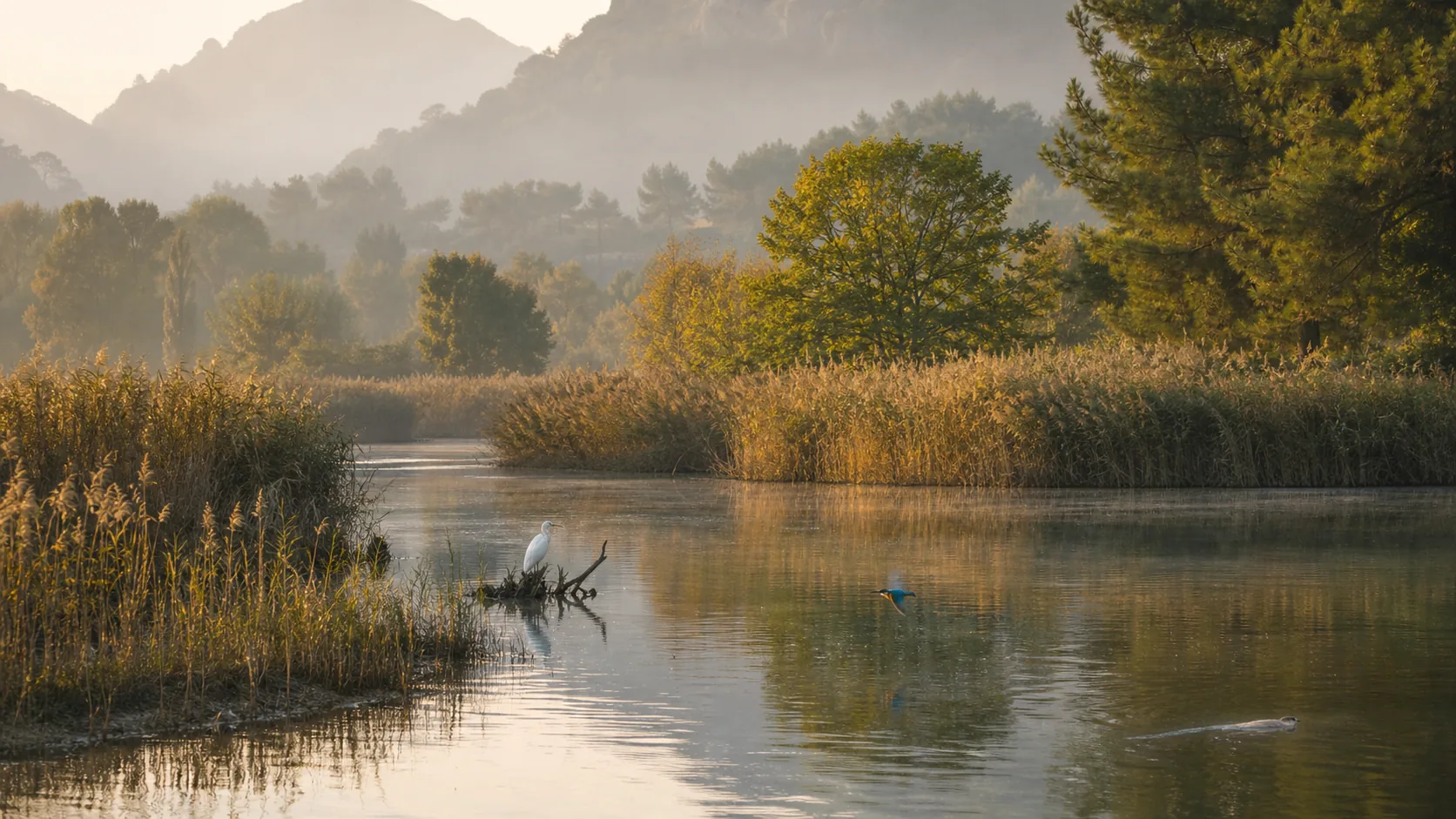
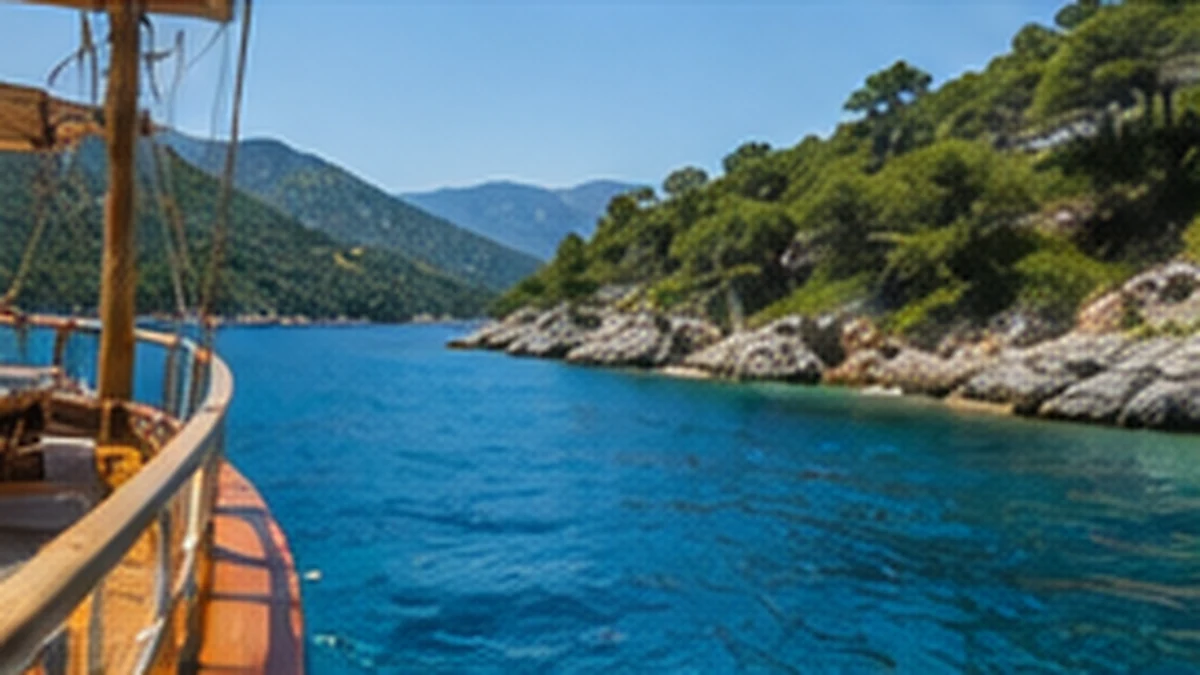
Dalyan is not one straight river with scenery on either side. It is a living transition between Lake Köyceğiz, freshwater channels, reed beds, brackish lagoons, Iztuzu’s sand barrier and the Mediterranean. Salt, current, depth and shelter change along that journey. That is why a single boat trip can include fishing birds above the reeds, mullet in clear water, a brief turtle surface and coastal species nearer the sea—without any one sighting being guaranteed.
The Köyceğiz–Dalyan Special Environmental Protection Area exists because this whole system matters. Treating only one charismatic animal as “the attraction” misses the ecological story: healthy turtles depend on healthy water, prey, beaches and human behaviour.
How to watch the reed margins
Reeds are nursery, shelter and feeding habitat, not an empty green wall. Herons and egrets may wait motionless at an opening; kingfishers can cross a channel too quickly for a camera; cormorants may surface far from where they dived. In migration periods the mix can change from one week to the next. Otters are recorded in the wider protected landscape, but they are elusive, mostly active when conditions are quiet and should never be advertised as a routine tour sighting.
Look several metres ahead of the boat and scan the boundary between vegetation and open water. Sudden shouting, music or a sharp approach usually reduces the quality of observation. Binoculars are more useful than trying to move closer.
Turtles, fish and honest expectations
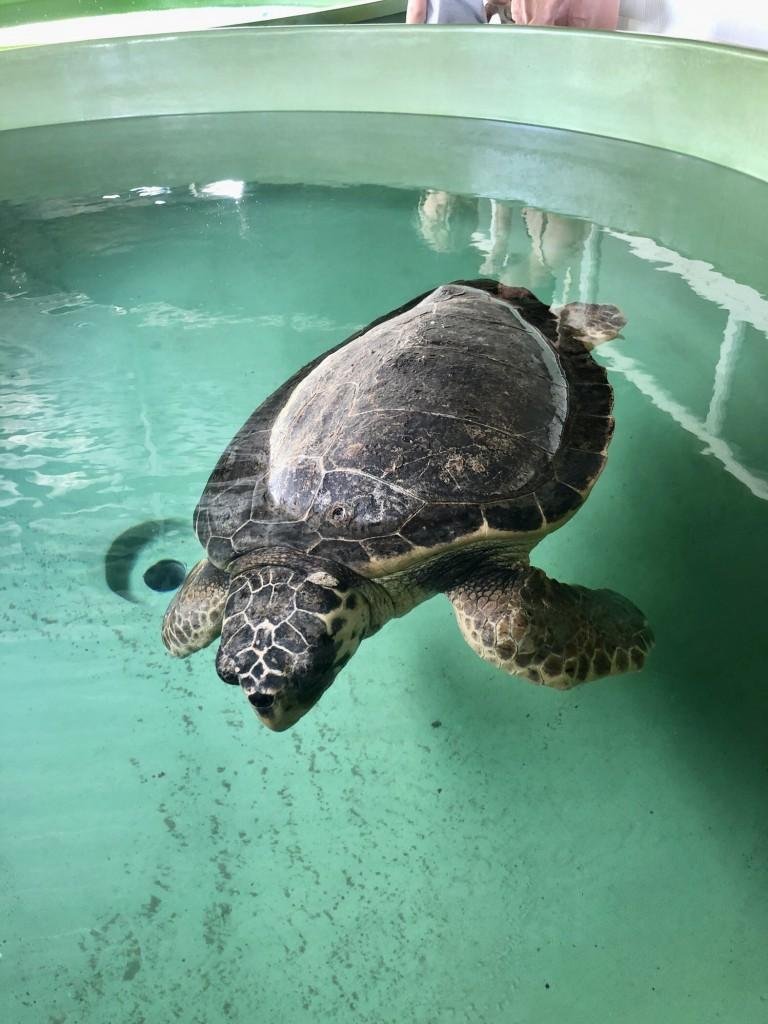
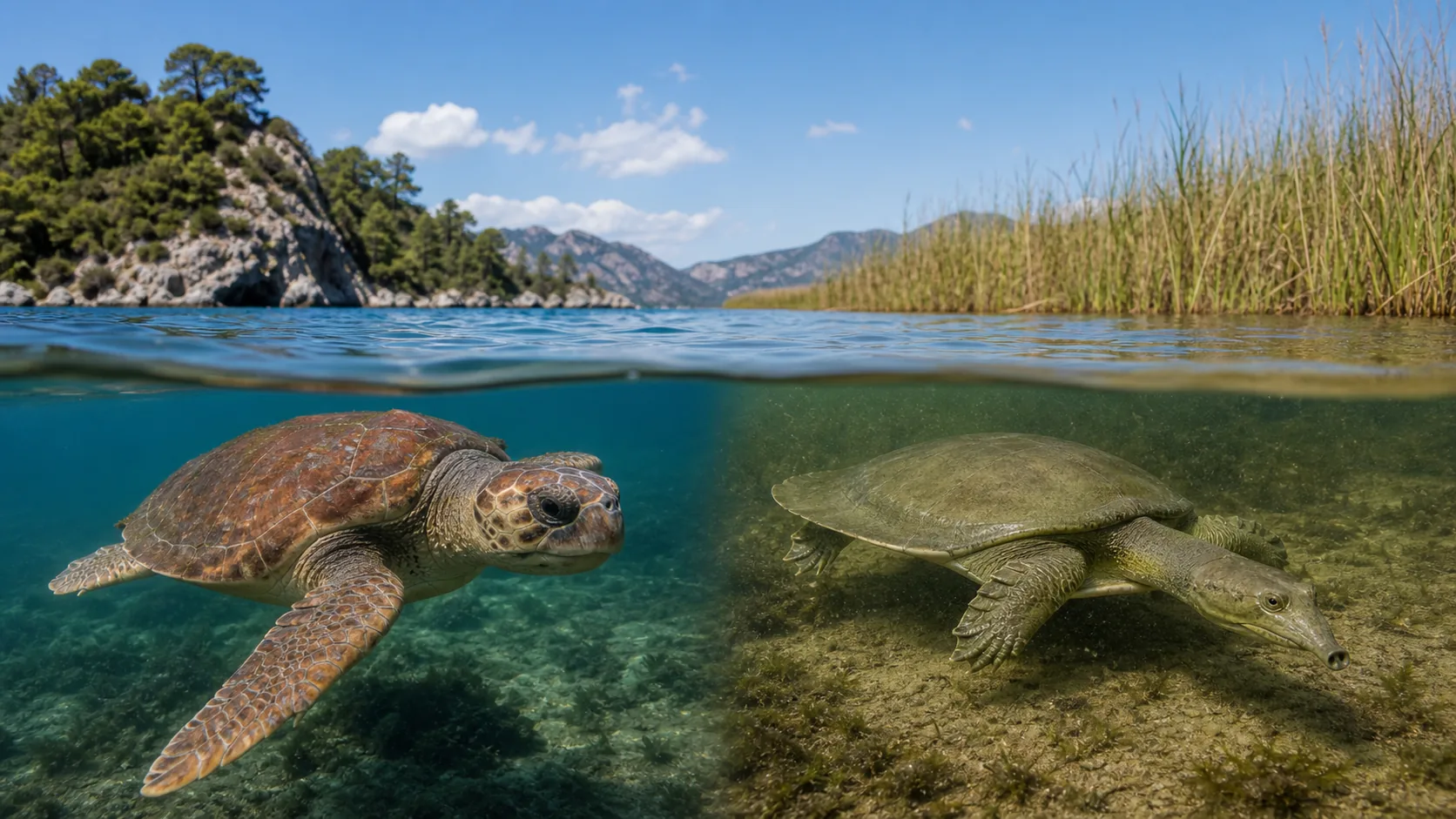
Two very different turtles can occur in the Dalyan story. Loggerheads are marine turtles associated with the sea and nesting coast; the Nile softshell uses freshwater and brackish channels. A distant head is not always identifiable. Read our Caretta versus Nile softshell guide before assigning a name.
Mullet schools, small fish and invertebrate-rich shallows help explain why birds and larger animals use the delta. Feeding wildlife for a closer photograph is not interpretation: it changes behaviour and can hold animals beside propellers or crowded boats. A responsible guide says “we may see,” not “we will show you.”
Season, weather and the pace of observation
Spring migration, summer heat, autumn movement, wind, water level and time of day all influence what is visible. Midday can be bright and busy; a cloud, breeze or passing boat changes glare and surface activity in minutes. Wildlife watching therefore rewards patience rather than a checklist.
Bring polarised sunglasses, sun protection and a quiet camera setting. Keep hands, food and litter inside the boat. If an animal changes direction, dives repeatedly or tries to escape, distance is already too small.
Building a meaningful Dalyan day
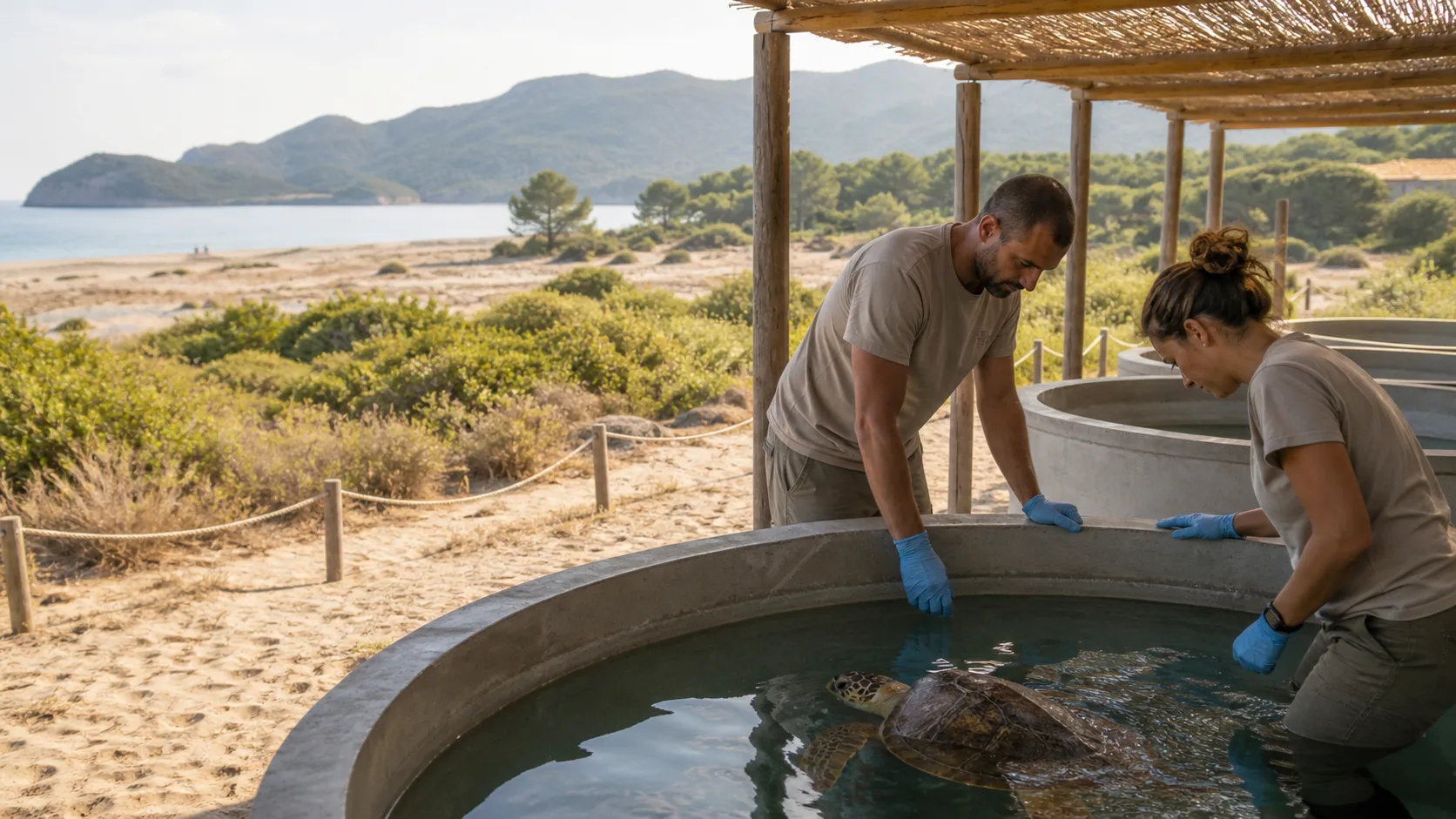
A Dalyan tour from Sarigerme combines the delta with cultural and coastal stops. A dedicated Iztuzu and DEKAMER programme adds rehabilitation education. Routes, stop order and sightings remain dependent on current operations and nature.
Sources: the Ministry’s official protected-area inventory, DEKAMER’s research overview and the UNEP/CMS wildlife-viewing guidance.
For guests planning a Sarigerme holiday, first-time visitors and travellers comparing local day trips.
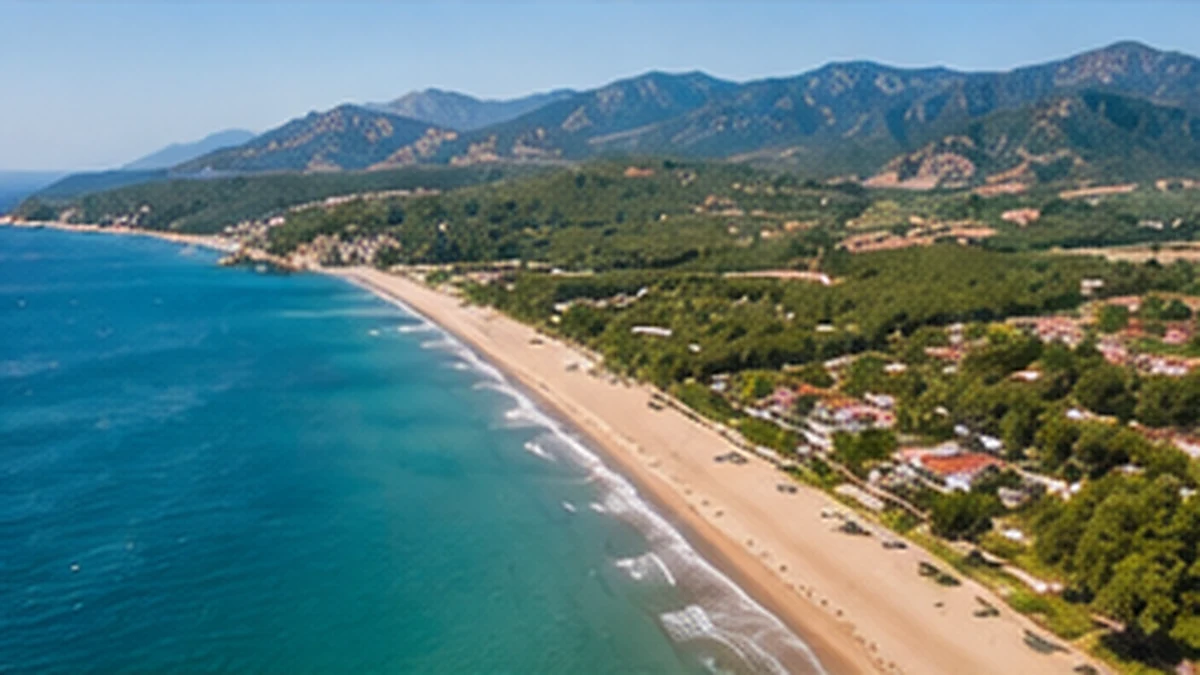
Explore the area mentioned in this guide on the map.
FAQ
Which animals are guaranteed on a Dalyan boat trip?
None. Habitat is reliably present, but individual wildlife sightings depend on season, weather, disturbance and natural behaviour.
Can otters be seen in the Dalyan delta?
Otters occur in the wider system but are elusive; they should be treated as a rare possibility, never a promised attraction.
What is the best equipment for wildlife watching?
Polarised sunglasses, compact binoculars, a quiet camera mode and patience are more useful than trying to approach animals closely.